Don t Listen to Me: A Designer’s Embroidery Review
As an embroidery designer who has spent years digitizing patterns and reviewing thousands of files for client projects, I have learned that the best designs are not always the most complex. Sometimes, a simple phrase or a bold graphic carries more weight than an intricate floral motif. Recently, I downloaded Don t Listen to Me to test its viability for a upcoming batch of custom apparel orders. My goal was not just to see if the file opened correctly, but to determine if it held up under the scrutiny of real-world stitching, fabric texture, and customer expectation.
First Impressions and Visual Personality
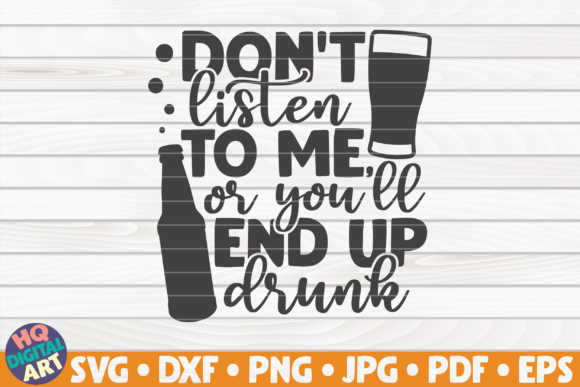
The first thing that strikes you about Don t Listen to Me is its attitude. It is playful, slightly rebellious, and undeniably modern. In the world of Crafts and digital Graphics, trends move quickly, but typography-based designs with a strong voice tend to have staying power. The layout feels balanced, avoiding the cluttered look that often plagues poorly digitized text designs. When I viewed the preview files, I noticed the lines were clean, suggesting that the underlying vector data in the included SVG and EPS files was well-constructed. This is crucial because a clean source file usually translates to a cleaner stitch file, assuming the digitizer paid attention to detail.
The mood this design creates is casual and conversational. It does not scream for attention with excessive ornamentation; instead, it relies on the strength of its message and the clarity of its form. For a designer, this means the burden of quality falls heavily on the execution of the stitches. There is nowhere for poor tension or bad stabilizer choice to hide in a design that relies on crisp lines and legible lettering.
Real-World Application: The Sweatshirt Test
To truly evaluate Don t Listen to Me, I needed a substrate that would challenge the design’s versatility. I chose a mid-weight cotton blend sweatshirt for a custom order. Sweatshirts are tricky; the fleece interior can cause puckering if the stitch density is too high, while the outer surface needs enough coverage to make the design pop. I positioned the design on the left chest, a standard placement for custom apparel that feels personal yet professional.
During the stitching process, I paid close attention to how the machine handled the curves and corners of the letters. The design performed admirably. The transitions between color blocks were smooth, and there was no noticeable pulling on the fabric. This suggests that the stitch density was calibrated correctly for general-purpose use. For an Etsy seller or small shop product creator, this reliability is gold. You do not want to spend twenty minutes hooping a garment only to have the design distort after the first wash.
I also considered how this design would look on other items. It would make an excellent tote bag design, centered boldly on the front panel. The contrast of the thread against canvas fabric would highlight the graphic nature of the artwork. Similarly, as an embroidered patch, this design would stand out well, provided the backing is sturdy enough to support the stitch count. For baby embroidery, however, I would proceed with caution. The sentiment is witty, but perhaps better suited for older children or adults rather than infants, depending on your brand’s voice.
Navigating Fabric and Hoop Constraints
While Don t Listen to Me is versatile, it is not without its limitations. Any experienced embroiderer knows that text-heavy designs require careful consideration of hoop size. If you are working with a small 4x4 hoop, you must ensure the design fits comfortably without hitting the edges. I recommend resizing the design in your software before sending it to the machine, keeping an eye on the aspect ratio to prevent distorted lettering.
Fabric texture plays a significant role here. On textured fabrics like terry cloth towels or rough linen, fine details can get lost. If you plan to use this as a kitchen towel accent or on a rustic pillow cover, consider using a thicker thread or a satin stitch border to define the edges. Conversely, on thin, stretchy fabrics like jersey knits, a proper cut-away stabilizer is non-negotiable. Without it, the weight of the threads could cause the fabric to gather around the design, ruining the clean aesthetic.
Dark fabrics present another challenge. If you are stitching white or light-colored threads on black navy material, you may need to adjust your underlay stitches to ensure full coverage. The included PNG file with a transparent background is helpful for creating mockups, but it does not replace the need for physical test stitches. Always run a test on scrap fabric of the same type and weight as your final product. This step saves time, money, and reputation.
Commercial Viability and Brand Consistency
For those running a craft business or selling digital embroidery files, the commercial potential of Don t Listen to Me is strong. It fits well into the current market demand for personalized, statement pieces. Whether used for holiday gifts, wedding gifts for the bridal party, or everyday boutique branding, the design adds a touch of personality that customers appreciate. It encourages engagement; people are likely to comment on or ask about the phrase, which can drive sales through social media interaction.
However, professionalism is key. To maintain buyer trust, ensure that your finished product looks polished. Check for loose threads, trim jump stitches carefully, and press the garment properly after embroidery. The perceived value of a handmade product is directly tied to its finish. A great design like this can elevate a simple t-shirt into a premium item, but only if the execution is flawless.
Technical Notes and File Usage
The package includes a variety of formats: DXF, PDF, SVG, PNG, JPG, and EPS. This is a robust selection for both embroidery machines and graphic design purposes. The SVG and EPS files are particularly useful if you want to create printable mockups for your online store listings before you even stitch a single thread. The PNG at 300ppi is ideal for digital previews on platforms like Etsy or Instagram.
Before using this for commercial embroidery projects, always verify the license terms included in the download. While many designers allow the sale of finished physical items, restrictions may apply to reselling the digital file itself. Confirm these details to protect your business. Additionally, check the specific stitch count and recommended hoop size in the documentation if provided, as these factors will influence your production time and pricing.
In conclusion, Don t Listen to Me is a solid addition to any designer’s library. It is practical, stylish, and adaptable across a range of embroidery projects. By respecting the technical requirements of fabric and stabilization, you can produce high-quality items that resonate with customers. It is a reminder that in embroidery, as in design, clarity and intent often matter more than complexity.