Soccer Dad: A Designer’s Review for Real Embroidery Projects
As an embroidery designer who spends more time staring at stitch simulations than I care to admit, I have learned that not every graphic translates well to thread. Some designs look fantastic on a screen but turn into a tangled mess of puckered fabric once the needle hits the hoop. When I first pulled up the Soccer Dad design files, my initial reaction was one of cautious optimism. The theme is evergreen—sports parents are a massive demographic in the handmade market—but execution is everything. This isn’t just about having a cute phrase; it is about whether the lines hold up under tension and whether the visual weight feels right on a garment.
First Impressions: Mood and Visual Personality
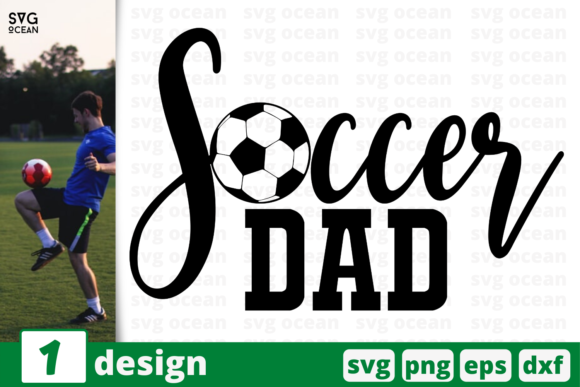
The Soccer Dad graphic carries a playful yet proud energy. It does not try to be overly complex, which is often a blessing in embroidery. Complex gradients and tiny details rarely survive the transition from digital pixel to physical stitch. Instead, this design relies on strong shapes and clear typography. The mood is casual and approachable, making it ideal for everyday wear rather than formal occasions. When I visualize this stitched out, I see it working best on items that are meant to be worn with pride during weekend games or casual outings. It lacks the stiffness of corporate branding, offering instead a warm, personal touch that resonates with families.
For those of us selling design assets or finished goods, the visual personality here is key. It speaks directly to the "proud parent" niche without feeling generic. The layout appears balanced, suggesting that the designer considered how the eye travels across the text and accompanying icons. This balance is crucial because uneven weight distribution can cause hoop burn or fabric distortion, especially on lighter materials.
Real-World Application: From Screen to Stitch
To truly evaluate a machine embroidery design, you have to imagine it on actual products. I recently worked on a custom order for a client who wanted matching items for a family soccer tournament. The Soccer Dad file was a top contender for a men’s heavyweight cotton sweatshirt. In this context, the design shines. The bold lines of the quote stand out clearly against the textured fabric of the sweatshirt. Because the design likely utilizes a mix of fill stitch for larger areas and satin stitch for borders or text, it creates a nice tactile contrast that customers love to touch.
Beyond sweatshirts, this graphic is versatile enough for a variety of custom apparel projects. Imagine it on a canvas tote bag design for carrying gear, or even on a structured cap. However, each application requires different considerations. On a tote bag, the stability of the canvas allows for denser stitching without worry. On a cap, the curved surface demands careful digitizing to ensure the design does not warp. If you are an Etsy seller or run a small shop product line, knowing where this design fits best can save you hours of troubleshooting.
I also see potential for this design in home goods, such as a pillow cover for a sports-themed nursery or a decorative accent on a game-day blanket. The key is scale. A design that looks perfect on a chest pocket might overwhelm a small baby onesie. Therefore, understanding the intended hoop size and scaling capabilities of the file is essential before committing to production.
Navigating Technical Challenges and Fabric Choices
While Soccer Dad is a strong candidate for many projects, there are areas where caution is necessary. Embroidery is unforgiving on certain fabrics. If you plan to stitch this on thin or stretchy material, such as a lightweight performance tee, you must be vigilant about stabilization. Without a proper cut-away stabilizer, the pull of the threads can cause the fabric to pucker around the letters, ruining the clean look of the design.
Another consideration is thread colors. Since this is a text-based design with likely graphical elements, contrast is your best friend. On dark fabrics, you will need bright, high-visibility threads to ensure readability. On light fabrics, you have more freedom, but you must ensure the background does not show through any sparse stitching areas. I always recommend running a test stitch on scrap fabric of the same type and color as your final product. This simple step can reveal issues with stitch density or registration that might not be visible in a digital preview.
Additionally, be mindful of small details. If the design includes intricate corners or tiny elements, these can become lost or bulky when stitched. Check the digitizing quality. Are the underlay stitches sufficient? Is the travel stitching minimized to reduce jumps? These technical aspects determine whether the final product looks professional or amateurish. For commercial embroidery projects, consistency is vital. You cannot afford to have one shirt look crisp and another look sloppy due to poor tension settings or inadequate hooping.
Enhancing Product Value and Customer Trust
From a business perspective, the quality of your embroidery file directly impacts your brand reputation. A well-executed Soccer Dad design can elevate a simple t-shirt into a cherished personalized gift. Customers are willing to pay more for items that look professionally made. Clean edges, consistent stitch direction, and appropriate density all contribute to this perception of quality.
When creating printable mockup images for your online store, ensure that the digital representation matches the physical reality. Misleading images can lead to returns and negative reviews. Use high-quality photos of the actual stitched item to build trust. Show the texture of the threads and the drape of the fabric. This transparency helps buyers understand what they are purchasing and reduces the likelihood of dissatisfaction.
Furthermore, consider the versatility of the design for seasonal promotions. While soccer is often associated with spring and fall, a "Soccer Dad" item makes a great holiday embroidery gift for Father’s Day or Christmas. By positioning the product correctly, you can extend its sales lifecycle beyond the immediate sports season.
Practical Notes for Designers and Makers
Before you load the Soccer Dad file into your machine, take a moment to review the technical specifications. The product description notes that the download includes SVG, DXF, PNG, and EPS formats. It is important to clarify that these are primarily vector and image formats often used for cutting machines like Cricut or Silhouette, or for print-on-demand services. If you are looking for a native machine embroidery file (such as PES, DST, or JEF), you must confirm if those specific formats are included or if you need to use digitizing software to convert the vector art. Using a raw SVG in an embroidery machine without proper conversion will not work.
- Check File Compatibility: Ensure you have the correct file type for your specific embroidery machine. If only vector files are provided, you may need to digitize the design yourself or hire a digitizer.
- Test on Scrap Fabric: Always run a test stitch to check for tension issues, puckering, or thread breaks.
- Evaluate Stitch Density: If the design feels too dense, consider adjusting the settings in your software to prevent fabric distortion.
- Contrast Matters: Choose thread colors that stand out against your fabric choice to maintain readability.
- Stabilizer Selection: Use the appropriate stabilizer for your fabric type—cut-away for knits, tear-away for wovens.
- Licensing Verification: Confirm the license terms before selling finished products. Ensure you have commercial use rights if you plan to sell items featuring this design.
In conclusion, Soccer Dad is a promising asset for creators in the Crafts and Graphics space, provided it is handled with technical care. It offers a blend of emotional appeal and visual clarity that can drive sales for craft business owners. By paying attention to fabric choice, stabilization, and file compatibility, you can transform this digital file into a high-quality finished product that customers will love. Whether you are making a single embroidered patch for a friend or stocking inventory for your online store, taking the time to evaluate the design’s practical application will always yield better results.