Reviewing the Believe SVG for Real Embroidery Projects
As a designer who spends more time staring at stitch simulations than I do sleeping, I have learned that not every digital file translates well to thread. We live in an era where Crafts and digital Graphics intersect constantly, but the gap between a crisp vector on a screen and a textured finished product is where many projects fail. Recently, I pulled the Believe SVG Cancer Awareness Quote into my workflow to evaluate its potential for real-world application. This was not just a casual glance; I wanted to see if this design could hold up under the needle for client work, small business inventory, and meaningful personalized gifts.
First Impressions: Mood and Visual Personality
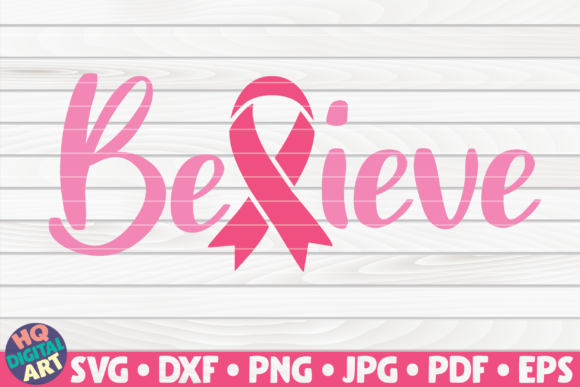
The first thing that strikes you about the Believe SVG Cancer Awareness Quote is its emotional weight balanced with typographic clarity. In the context of cancer awareness, designs often lean heavily into ribbons or medical imagery. This piece, however, relies on the power of the word itself. The layout feels intentional, creating a focal point that is neither too aggressive nor too passive. For an embroidery designer, this is crucial. You need a design that communicates instantly, especially when viewed from a distance on a garment or home decor item.
The visual personality here is one of quiet strength. It does not scream for attention but invites it. When I imagine this stitched out, I see it working beautifully on items meant to comfort or empower. It fits naturally into the category of meaningful handmade product creation, where the value lies not just in the labor, but in the message conveyed to the recipient.
Real-World Application: From Screen to Stitch
To truly test a design, you must visualize it on specific substrates. I started by imagining this quote on a heavy cotton tote bag. A tote bag design needs to be bold enough to withstand the texture of canvas. The lines in this SVG appear clean, which suggests it would translate well into a combination of fill stitch for broader areas and satin stitch for borders or finer details. However, without seeing the actual digitized version, I always advise checking how the curves handle the transition between stitches.
Next, I considered sweatshirt embroidery. This is a popular category for Etsy seller shops and boutique brands. On a fleece or French terry fabric, the design needs to float above the pile. If the lettering is too thin, it gets lost. If it is too dense, it creates a stiff, uncomfortable patch on the chest. The Believe SVG Cancer Awareness Quote seems to have a structural balance that would work well here, provided the digitizer has accounted for the fabric’s stretch and thickness. It would make a powerful statement piece for custom apparel lines focused on advocacy or support groups.
I also evaluated its potential for baby embroidery. While the theme is serious, the aesthetic is soft enough for a nursery blanket or a keepsake pillow cover for a family going through treatment. In these cases, the thread colors become paramount. A soft teal, lavender, or classic pink against white minky fabric could create a tender, supportive personalized gift that feels professional and thoughtful.
Technical Considerations and Fabric Constraints
While the design is visually appealing, practical embroidery requires us to look at the limitations. Where should you use this design carefully? Any project involving small hoop sizes requires scrutiny. If the quote is scaled down for a cap or a small embroidered patch, the legibility of the letters must be maintained. Tiny serifs or intricate connections between letters can break down during stitching, leading to thread breaks or a muddy appearance.
Fabric texture is another critical variable. On textured fabrics like linen or waffle knit, the design needs sufficient density to bridge the gaps in the weave. Conversely, on thin or stretchy fabrics, such as performance wear or lightweight tees, a heavy stitch density can cause puckering. I always recommend using the appropriate stabilizer—likely a cut-away for stretchy garments and a tear-away for stable woven fabrics—to ensure the Believe SVG Cancer Awareness Quote lays flat and true.
Curved surfaces, such as caps or hats, present their own challenges. The distortion inherent in sewing on a curved plane means that long horizontal lines can appear to bow. If you are planning this for headwear, you may need to adjust the placement or break the design into smaller sections if it were an applique design, though this appears to be a standard text-based graphic. Always test on scrap fabric before committing to your final garment.
Commercial Viability and Brand Consistency
For craft business owners and small shop product creators, the commercial viability of a design is key. Does it sell? Does it reflect well on your brand? The Believe SVG Cancer Awareness Quote has high giftability. It fits into seasonal campaigns, such as October for Breast Cancer Awareness, but its message is timeless enough for year-round sales. This versatility increases its value as a design asset in your library.
When selling on platforms like Etsy, your printable mockup and product photos must accurately represent the stitched result. Because this design relies on typography, the contrast between the thread and the fabric is vital for customer trust. A poorly photographed item where the text blends into the background will not convert. I suggest testing the design in both light and dark backgrounds to ensure you have versatile marketing images. A white stitch on a black hoodie reads differently than a black stitch on a white tote, and both should look crisp.
Furthermore, professionalism in commercial embroidery comes from consistency. If you are building a line of awareness products, this design should pair well with other elements in your collection. It should not look like an afterthought. The clean lines of this SVG allow it to stand alone or serve as a central element in a larger composition, giving you flexibility in your product development.
Practical Designer Notes for Best Results
Before you load this into your machine, take a moment to review the files included. The package lists a DXF, PDF, SVG, PNG, JPG, and EPS. As an embroidery designer, remember that SVG and DXF are cutting files, while embroidery machines typically require PES, DST, or other specific machine formats. If you are digitizing this yourself from the SVG, pay close attention to node points to ensure smooth curves. If you are purchasing a pre-digitized version, check the specified hoop size compatibility.
- Test on Scrap: Always run a test stitch-out on the same fabric type you intend to use for the final product.
- Check Contrast: Ensure your thread colors provide enough contrast against the fabric for readability.
- Review Density: If the design feels stiff after stitching, reduce the density in your digitizing software if possible.
- Inspect Details: Zoom in on the stitched sample to check for loose threads or missed stitches in tight corners.
- Licensing: Confirm the license terms. Can you use this for commercial embroidery projects? Can you sell the digital file, or only the finished physical item? Always clarify this before listing products.
In conclusion, the Believe SVG Cancer Awareness Quote is a strong contender for designers looking to create impactful, meaningful items. It bridges the gap between digital Graphics and tactile Crafts with a design that respects the medium of embroidery. By paying attention to fabric choice, stabilizer selection, and stitch quality, you can turn this digital file into a cherished holiday embroidery gift or a staple in your small business merchandise lineup. Treat it with the technical respect it deserves, and it will serve your creative business well.