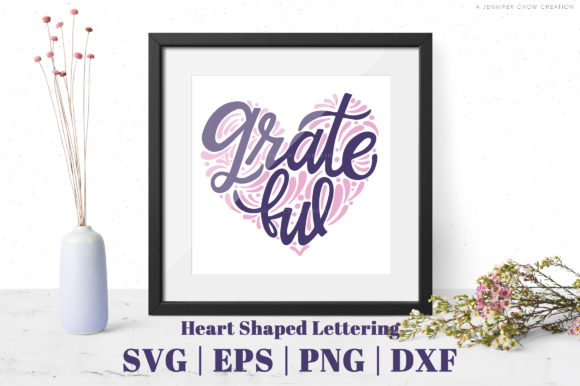
Review: Heart Shaped Grateful Hand Lettering SVG
As a designer who spends more time staring at stitch simulations than I do sleeping, I have learned that not every vector file translates well to thread. Some designs look stunning on a screen but turn into a tangled mess of puckered fabric once the needle hits the hoop. When I first pulled up the Heart Shaped Grateful Hand Lettering SVG, my initial reaction was cautious optimism. The concept is simple yet powerful: taking the phrase "Give thanks with a grateful heart" and shaping the typography itself into a heart. It is a clever use of negative space and form, but does it hold up under the pressure of an embroidery machine?
I decided to test this design for a upcoming batch of custom tote bags for a local boutique client. They wanted something that felt handmade, warm, and appropriate for the holiday season without being overly cliché. This piece of digital art fit the brief perfectly on paper. But in the world of Crafts and professional production, paper promises mean little. Here is my honest breakdown of how this design performs in real-world applications.
First Impressions and Visual Flow
The immediate appeal of the Heart Shaped Grateful Hand Lettering SVG is its organic flow. Unlike rigid, blocky fonts that can feel cold when stitched, this hand-lettered style has a natural rhythm. The curves of the letters mimic the contours of a heart, creating a cohesive shape rather than just text inside a border. For embroidery, this is crucial. It means the design reads as a single unit from a distance, which is essential for items like sweatshirts or wall art where viewers might stand a few feet away.
The mood it creates is one of quiet gratitude. It is not loud or aggressive. This makes it incredibly versatile for personalized gifts such as baby blankets, nursery decor, or wedding keepsakes. However, because the design relies heavily on the interplay between the letters to form the heart shape, the spacing is critical. If the stitch density is too high, those delicate gaps between letters could close up, turning your beautiful typography into an unreadable blob. If it is too low, the fabric might show through too much, breaking the visual continuity of the heart shape.
Real-World Application: The Tote Bag Test
I chose to stitch this onto a heavy canvas tote bag, a popular item for any Etsy seller or small shop owner. Canvas is forgiving, but it has a distinct texture. I used a medium-weight cutaway stabilizer to ensure the fabric did not distort during stitching. The result was impressive. The satin stitch work on the thicker parts of the letters provided a nice sheen that contrasted well with the matte fabric. The design sat flat, and the heart shape was immediately recognizable.
This success translates well to other sturdy fabrics. I can easily see this working on denim jackets, aprons, or even structured pillow covers. For custom apparel like hoodies or sweatshirts, the design adds a touch of elegance without overwhelming the garment. It is substantial enough to be noticed but refined enough to look professional. For a craft business, this balance is key. You want a product that looks valuable, not like a homemade experiment gone wrong.
Challenges with Delicate Fabrics
While the design shone on canvas, I would approach thinner fabrics with caution. If you are planning to use this on a lightweight cotton tee or a silky blouse, you must be vigilant about your stabilizer choice. A tear-away might not provide enough support for the interconnected letters, leading to registration issues where the layers of thread shift slightly. For baby embroidery projects, such as onesies or soft blankets, I recommend using a soft, no-show mesh stabilizer and testing on scrap fabric first. The last thing a customer wants is a scratchy, stiff patch of stitches on a garment meant for sensitive skin.
Additionally, curved surfaces like caps present a unique challenge. The heart shape is wide. On a standard cap panel, you might need to scale it down significantly. When you shrink hand-lettering designs, the tiny details can get lost. The intricate connections between the letters that form the heart might become too dense for the machine to handle cleanly, resulting in thread breaks or bird nests. Always check the minimum recommended size before committing to a hat project.
Commercial Viability and Brand Consistency
For commercial embroidery professionals and digital product sellers, consistency is everything. This Graphics asset offers a high level of professionalism if handled correctly. The hand-lettered style aligns well with current trends in boho and minimalist home decor. It fits seamlessly into a brand identity that values warmth, authenticity, and mindfulness.
When creating printable mockups for your online store, this design photographs beautifully. The clear silhouette of the heart makes it easy for customers to visualize the final product. Whether you are selling the digital embroidery file itself or finished goods like embroidered patches and tea towels, the visual appeal drives engagement. Customers are drawn to designs that tell a story, and "grateful heart" is a narrative that resonates year-round, not just during Thanksgiving.
Practical Designer Notes
Before you load this into your machine, consider these technical adjustments to ensure a flawless finished product:
- Check Stitch Density: Inspect the simulation closely. If certain areas look overly dense, consider adding underlay stitches or adjusting the density settings in your software to prevent puckering.
- Thread Color Contrast: This design relies on shape. Using a thread color that contrasts sharply with your fabric will make the heart shape pop. However, for a subtle, tonal look on high-end linen, choose a thread shade that is only slightly lighter or darker than the base fabric.
- Hoop Size Matters: Ensure your hoop is large enough to accommodate the full width of the heart without cropping. Cropping the edges of the lettering will destroy the integrity of the design.
- Test on Scraps: Never skip the test stitch. Run the design on the same type of fabric and stabilizer combination you plan to use for the final item. Check for registration errors and thread tension issues.
- Licensing Verification: Always confirm the license terms provided with the file. While many designers allow commercial use for physical products, restrictions may apply to selling the digital file itself or using it in mass production.
Final Verdict
The Heart Shaped Grateful Hand Lettering SVG is a strong contender for your design library. It bridges the gap between typographic art and symbolic imagery effectively. It is not just a quote; it is a shape. This dual nature makes it highly adaptable for various embroidery projects, from holiday gifts to everyday small shop products.
It requires a thoughtful approach to fabric selection and stabilization, particularly when working with stretchy or thin materials. But for those willing to put in the prep work, the payoff is a sophisticated, heartfelt design that elevates the perceived value of any handmade item. Whether you are an experienced apparell decorator or a hobbyist looking to create meaningful gifts, this design offers a reliable and aesthetically pleasing option. Just remember: respect the details, trust your stabilizer, and let the thread do the talking.