Stitching a Statement: Reviewing the Say No to Racism BLM Quote Design
As an embroidery designer who has spent years translating digital concepts into tangible thread, I approach every new machine embroidery design with a mix of curiosity and caution. We all know that what looks crisp on a screen does not always translate cleanly to fabric. Recently, I evaluated the Say No to Racism BLM Quote design, looking specifically at its potential for real-world application in my craft business and client projects. This is not just about aesthetics; it is about functionality, clarity, and the emotional weight a finished product carries.
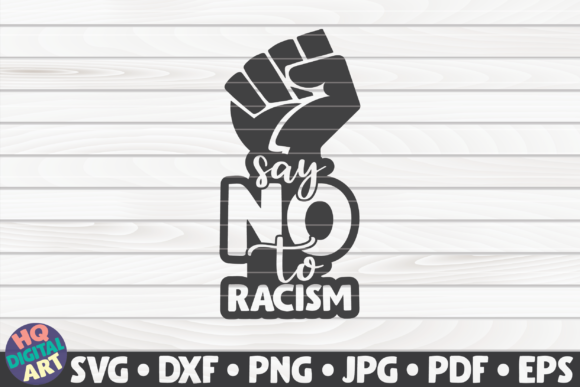
The first impression of this embroidery file is one of bold simplicity. In the world of social justice-themed crafts, there is a fine line between making a statement and creating visual noise. This design leans toward the latter side of clarity, which is essential for embroidery. The typography appears strong and legible, avoiding overly intricate serifs or thin lines that might get lost in the stitch formation. For a designer, this suggests a layout that respects the limitations of the needle and thread, prioritizing readability over decorative flourish.
Real-World Application: The Tote Bag Test
To truly understand how the Say No to Racism BLM Quote performs, I imagined a specific scenario: a custom order for a local community group needing branded tote bags for a awareness walk. Tote bags are typically made from canvas or heavy cotton, fabrics that have a distinct texture. This is where the design’s structure matters. If the lettering is too dense, the fabric can pucker. If it is too sparse, the background fabric shows through, weakening the message.
In this context, the design feels appropriate for a medium to large hoop size. The bold nature of the quote suggests it would work well as a central focal point on a tote bag design or the back of a sweatshirt. When I consider sweatshirt embroidery, the loft of the fleece adds another layer of complexity. A design like this needs sufficient underlay stitching to sit flat against the textured surface. The visual personality of the quote is serious and direct, meaning it belongs on products that are meant to be seen and read from a distance, rather than subtle, hidden details on a hem or cuff.
Navigating Fabric and Stitch Challenges
While the concept is powerful, practical execution requires attention to detail. One must consider where this design should be used carefully. For instance, placing this quote on a curved surface like a cap requires precise digitizing to prevent distortion. If the stitch density is too high, the cap’s front panel may warp. Similarly, using this on thin or stretchy fabrics without proper support is risky. I would strongly advise using a cut-away stabilizer for any garment that will be washed frequently, ensuring the integrity of the finished product remains intact over time.
Another critical factor is color contrast. The impact of the Say No to Racism BLM Quote relies heavily on the visibility of the text. On dark fabrics, you need bright, high-visibility thread colors. On light fabrics, deep blacks or navy blues provide the necessary punch. I always recommend testing the design on scrap fabric first, specifically in black and white mockups, to ensure the legibility holds up regardless of the color palette chosen by the customer. This step is crucial for maintaining professionalism in commercial embroidery projects.
Commercial Viability for Etsy Sellers and Makers
For Etsy sellers and small shop owners, the versatility of a design determines its value. This digital embroidery file comes in multiple formats, including DXF, SVG, PNG, JPG, EPS, and PDF. This variety is significant. It means the asset is not limited to embroidery machines. The SVG and PNG files allow for hybrid crafting, such as creating printable mockups for online listings or using the graphic for heat transfer vinyl if a customer prefers a different application method. This multi-format approach increases the perceived value of the design assets.
However, licensing is paramount. Before selling any handmade product featuring this quote, you must confirm the license terms provided with the download. Most commercial licenses allow for the sale of physical items but restrict the resale of the digital file itself. As a craft business owner, respecting these boundaries protects your reputation and supports the original creator. The inclusion of vector files like EPS and SVG also suggests that the design can be scaled for larger prints, such as banners or posters, expanding its utility beyond just needlework.
Enhancing Brand Consistency and Customer Trust
Using a well-executed design like Say No to Racism BLM Quote can enhance brand consistency for shops focused on activism or community support. It signals that the maker is engaged with current social conversations. However, the quality of the stitch-out directly impacts customer trust. A messy, puckered, or illegible embroidery job can undermine the seriousness of the message. Therefore, paying attention to running stitch outlines and fill stitch coverage is non-negotiable.
When creating a personalized gift or a boutique item, the presentation matters. If you are using this for an embroidered patch, ensure the edges are clean and the backing is secure. Patches are often subjected to rougher handling than apparel, so durability is key. For baby embroidery or nursery decor, consider the softness of the threads and the comfort of the backing, as sensitive skin requires extra care. While the message is universal, the application must be tailored to the end-user’s needs.
Practical Designer Notes for Best Results
To get the most out of this embroidery project, keep these practical tips in mind:
- Test on Scrap Fabric: Always run a test stitch-out on the same type of fabric you plan to use for the final product. This helps identify tension issues or density problems.
- Check Thread Contrast: Ensure the thread color stands out against the fabric background. High contrast improves readability and visual impact.
- Review Stitch Density: If the design feels too stiff after stitching, consider reducing the density in your editing software, if permitted, or using a lighter stabilizer.
- Confirm Hoop Size: Make sure your machine’s hoop can accommodate the full design without resizing, which can distort proportions.
- Inspect Small Details: Zoom in on the digital file to check for tiny elements that might not stitch well. Simplify if necessary.
- Verify Licensing: Double-check the included documentation to ensure your intended use, whether personal or commercial, is covered.
In conclusion, the Say No to Racism BLM Quote is a compelling addition to a designer’s library of Graphics and Crafts resources. Its strength lies in its clear communication and versatile file formats. By approaching it with a mindful eye toward fabric choice, stabilizer selection, and stitch quality, you can create meaningful, high-quality items that resonate with customers. Whether for a holiday gift, a protest sign accessory, or a year-round statement piece, this design offers a solid foundation for impactful embroidery work.