Santa’s Favorite Teacher: A Designer’s Review
As an embroidery designer who has spent years digitizing and testing files for real-world application, I approach every new machine embroidery design with a critical eye. It is not enough for a graphic to look cute on a screen; it must translate seamlessly into thread, withstand the tension of the hoop, and appeal to the end customer. Recently, I evaluated Santa’s Favorite Teacher, a holiday-themed digital asset that promises festive charm for educators. This review breaks down how this design performs in actual production environments, from small home studios to commercial craft businesses.
First Impressions and Visual Personality
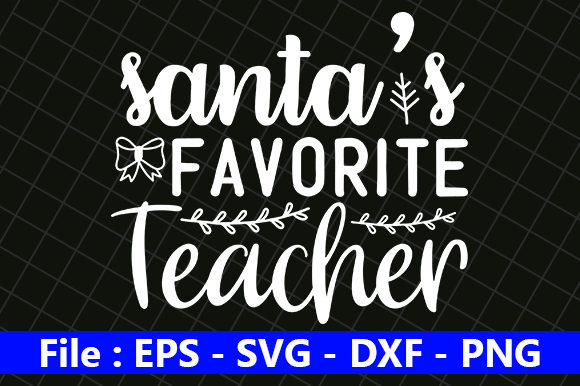
The immediate appeal of Santa’s Favorite Teacher lies in its balanced composition. Holiday designs often suffer from clutter, trying to cram too many seasonal elements into a small space. However, this layout feels intentional. The typography is bold enough to remain legible after stitching, which is crucial for any text-based embroidery project. The mood is warm and appreciative, striking the right note for a gift that is professional yet personal.
When viewing the source files, which include EPS, SVG, PNG, and DXF formats, the versatility for both cutting machines and embroidery software is evident. For those of us working primarily with needle and thread, the clean lines suggest that the digitizer likely prioritized stitch path efficiency. The visual personality is classic rather than trendy, meaning this holiday embroidery piece will not look dated next year. It fits naturally into the broader category of Crafts and Graphics that prioritize timeless appeal over fleeting viral trends.
Real-World Application: The Tote Bag Test
To truly understand the value of an embroidery file, you must imagine it on a physical product. I visualized this design stitched onto a canvas tote bag, a popular item for teachers carrying books and grading papers. In this scenario, the design’s scale becomes the primary concern. On a standard 15-inch tote, the text needs to be large enough to read from a distance but not so dense that it warps the fabric.
If you are creating a personalized gift or a small shop product, consider the fabric texture. Canvas is sturdy, but if you are moving to a softer material like a cotton blend sweatshirt, the stitch density must be managed carefully. I recommend testing the design on scrap fabric first. If the design relies heavily on fill stitch areas for Santa’s hat or other graphical elements, ensure your stabilizer is robust enough to prevent puckering. A lightweight cut-away stabilizer is often the best choice for garments that will be washed frequently, such as a teacher’s daily wear.
Versatility Across Products
Beyond tote bags, Santa’s Favorite Teacher shows promise in several other applications. For custom apparel, such as a cozy fleece vest or a crewneck sweatshirt, the design serves as a focal point. The contrast between the thread colors and the garment fabric is vital here. I suggest using high-contrast thread colors—perhaps a bright red against a navy or heather grey—to ensure the message pops. This attention to detail enhances the perceived value of the handmade product.
For smaller items, like an embroidered patch or a cap, caution is required. Curved surfaces like baseball caps can distort text if the design is too wide. If you plan to use this on headwear, verify the width against your hoop size capabilities. A 4x4 inch hoop might require resizing the design, which could impact the legibility of the finer details. Always check the smallest elements in your software before hitting start. If the lettering becomes too thin, it may break during stitching or fail to cover the fabric adequately.
Considerations for Dark and Textured Fabrics
One common challenge with holiday designs is visibility on dark fabrics. Many teachers prefer neutral or dark-colored professional attire. If you are stitching Santa’s Favorite Teacher on black or navy, you may need to add an underlay or use a lighter thread palette to maintain clarity. Additionally, textured fabrics like terry cloth towels or waffle-knit aprons can hide fine details. In these cases, a simpler version of the design or one that utilizes satin stitch borders rather than intricate fills might perform better.
For baby embroidery projects, such as a onesie or a burp cloth, softness is paramount. High stitch density can create a stiff, scratchy patch that irritates sensitive skin. If adapting this design for infants, consider reducing the density settings in your embroidery software or opting for an applique design variation if available. Applique reduces the amount of thread on the fabric, resulting in a softer hand feel while still delivering the festive message.
Commercial Viability for Etsy Sellers
For Etsy sellers and creative entrepreneurs, the commercial potential of this design is strong. Teacher appreciation gifts are a consistent niche, particularly during the winter holiday season. The phrase "Santa’s Favorite Teacher" is playful and flattering, making it an easy sell for parents looking for unique presents. When listing this as a finished product, high-quality photography is essential. Use printable mockup tools to show the design on various items, but always supplement these with photos of the actual stitched item to build customer trust.
Brand consistency is key. If your shop specializes in minimalist designs, ensure this graphic aligns with your aesthetic. If your brand is whimsical and colorful, this design fits perfectly. Remember to confirm licensing terms before selling. While the product description mentions usage for scrapbooking and cut machines, always verify if the license covers commercial embroidery sales. Most digital design assets allow for finished physical products, but restrictions on reselling the digital file itself are standard.
Technical Notes for Designers
Before committing to a large batch of commercial embroidery orders, take these practical steps:
- Check Stitch Density: High density can cause fabric distortion. Run a test stitch-out to observe how the fabric behaves under tension.
- Review Thread Contrast: Ensure your chosen thread colors provide sufficient contrast against the background fabric for readability.
- Inspect Small Details: Zoom in on the digital file to identify any tiny elements that might not stitch out cleanly at smaller sizes.
- Test Stabilizers: Different fabrics require different stabilizers. Match your stabilizer to the fabric weight and stretch.
- Verify Hoop Size: Confirm the design dimensions fit within your available hoops without excessive resizing that compromises quality.
In conclusion, Santa’s Favorite Teacher is a solid addition to a holiday design library. It offers a blend of festive cheer and professional appropriateness that resonates with the target audience. By paying attention to technical details like stitch density, fabric choice, and color contrast, you can transform this digital file into a high-quality custom apparel piece or a cherished gift. Whether you are a hobbyist making presents for friends or a craft business owner scaling up for the season, this design holds up well under scrutiny. Just remember, the difference between a good product and a great one lies in the testing phase. Take the time to stitch it out, evaluate the result, and adjust your parameters accordingly. Your customers will appreciate the professionalism and care evident in every stitch.