Reviewing the We Are All Equal Cut File Quote for Embroidery
As a designer who spends half my life digitizing and the other half stitching, I approach every new machine embroidery design with a healthy dose of skepticism. We have all been there: you download a file that looks crisp on the screen, only to watch it turn into a bird’s nest of thread breaks and puckering on the hoop. That is why I took a close look at the We Are All Equal Cut File Quote before committing it to any client project or personal handmade product. This isn’t just about whether the lines are clean; it is about whether the sentiment translates effectively through needle and thread.
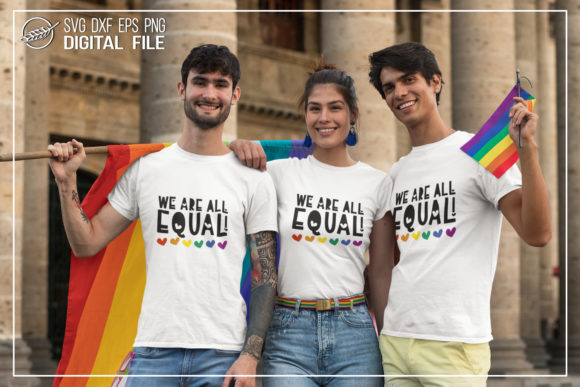
The design centers on the phrase "We Are All Equal," paired with an inspirational tone and LGBTQ+ pride elements. Visually, it carries a mood of solidarity and modern minimalism. For those of us in the Crafts and Graphics space, finding designs that balance political or social messaging with aesthetic appeal can be tricky. You want the message to be clear without looking like a protest sign from the 1990s. My first impression of this layout was positive. The typography appears bold enough to hold its own against various fabric textures, which is crucial when you are working with anything from thick denim to delicate cotton.
Real-World Application: The Tote Bag Test
To truly evaluate an embroidery file, you have to imagine it on a physical object. I recently had a request for a set of custom tote bags for a local community center’s pride event. This scenario is the perfect test bed for the We Are All Equal Cut File Quote. Tote bags are notorious for being difficult to embroider because canvas is heavy, yet the surface area is large, inviting big, bold statements.
In this context, the design’s strength lies in its clarity. When I visualized the quote stitched onto a natural cotton canvas, the potential for high contrast was evident. Using white or bright pride-colored thread colors against the neutral background would make the message pop. However, this is where the designer’s eye must intervene. Since this product is marketed primarily as a cut file including SVG, DXF, EPS, and PNG formats, it is essential to understand that these are vector graphics intended for cutting machines like Cricut or Silhouette. They are not native embroidery files.
This distinction is vital for any Etsy seller or small shop product creator. If you plan to use this design for embroidery, you cannot simply load the SVG into your embroidery machine. You must either use the PNG as a reference for manual digitizing or convert the shapes using specialized software that can generate stitch paths. If you are not a digitizer, this design serves best as a template for appliqué. You could cut the letters from felt or cotton using the SVG files and then use a satin stitch or running stitch to secure them to your tote bag design. This hybrid approach saves time and ensures the edges remain crisp, avoiding the density issues that often plague fully stitched text designs.
Navigating Fabric and Hoop Constraints
Let’s talk about where this design might struggle if not handled correctly. Text-based designs are unforgiving. If you attempt to stitch this directly onto a stretchy fabric like a jersey knit for a sweatshirt embroidery project without proper stabilization, the letters will distort. The curvature of the fabric combined with the pull of the thread can warp the word "Equal," ironically undermining the message. Always use a cut-away stabilizer for garments that will be washed frequently.
Furthermore, consider the hoop size. While the quote is relatively short, the aspect ratio matters. If you are working with a small 4x4 hoop, you may need to scale the design down significantly. When text becomes too small, the details between letters can merge, especially if you are using a fill stitch rather than a satin column. For smaller applications, such as a baby embroidery item or a pocket on a cap, I recommend simplifying the design or focusing on just the core symbol if one is present, rather than the full sentence. Clarity is king in embroidery; if the viewer has to squint to read it, the design has failed.
Dark fabrics present another challenge. If you are stitching on black or navy, you need to ensure your thread choice has enough luminance. A dark grey thread on a black shirt will vanish. This is where the included PNG with a transparent background becomes useful for creating printable mockup previews. You can overlay the design on digital images of dark garments to check visibility before you even thread your needle. This step saves wasted materials and protects your reputation as a professional craft business owner.
Commercial Viability and Brand Consistency
For commercial embroidery professionals and digital embroidery file sellers, the licensing and versatility of a design are paramount. The We Are All Equal Cut File Quote taps into a evergreen market: inclusive, inspirational messaging. These items sell well year-round, not just during Pride month. They fit perfectly into categories like personalized gift items, wedding party apparel, and boutique branding.
However, because the primary files provided are SVG, DXF, and EPS, you are technically purchasing design assets for cutting, not stitching. This opens up a different avenue for revenue. You can use these files to create heat-transfer vinyl (HTV) designs, which pair beautifully with embroidered accents. Imagine a sweatshirt where the main graphic is HTV, but a small heart or accent is embroidered using a matching applique design. This mixed-media approach adds perceived value and allows you to charge more for the finished product.
If you intend to sell items made with this design, you must verify the license terms. Most designers allow commercial use for physical items but restrict the resale of the digital file itself. Always read the fine print. Additionally, ensure that your final product aligns with your brand’s voice. If your shop focuses on rustic, vintage aesthetics, this modern, clean-lined quote might feel out of place unless adapted with textured threads or distressed fabric choices.
Final Designer Notes
Before you commit to a large batch of holiday embroidery or custom orders, take these practical steps:
- Test on scrap fabric: Never skip this. Stitch the design on the same type of material you plan to use for the final product.
- Check thread contrast: Use black and white mockups to ensure the design is legible without color reliance.
- Verify file compatibility: Remember that SVGs are for cutting. If you need an embroidery file, you must digitize it yourself or hire a digitizer.
- Inspect stitch density: If you convert this to embroidery, avoid overly dense fills in small areas to prevent fabric puckering.
- Consider the audience: This design works well for custom apparel, patches, and home decor, but ensure the message resonates with your specific customer base.
In conclusion, the We Are All Equal Cut File Quote is a versatile asset for the modern maker. It bridges the gap between digital crafting and traditional needlework. While it requires some technical translation to move from a cut file to an embroidered piece, the result can be striking. Whether you are creating a statement piece for a caps collection or a subtle accent on a kitchen towel, this design offers a strong foundation. Just remember: in embroidery, preparation is everything. Respect the fabric, choose your stabilizer wisely, and let the message shine through clean, confident stitching.